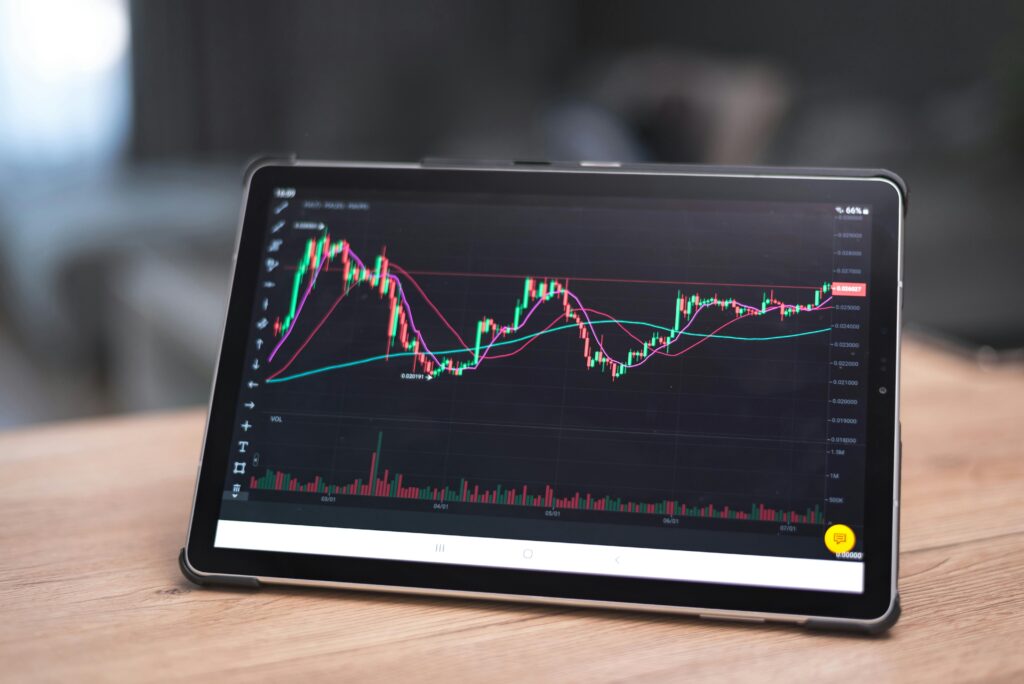
Learn the fundamentals of technical analysis including chart patterns, indicators, candlestick analysis, support and resistance, and trading strategies to improve market decisions in 2026.
Introduction
Technical analysis is one of the most widely used methods for analyzing financial markets. Traders use chart patterns, price action, indicators, and historical market data to predict future price movements in stocks, forex, cryptocurrencies, and commodities.
In 2026, technical analysis continues to evolve with AI-powered tools, algorithmic trading systems, and advanced charting platforms helping traders make smarter decisions.
This guide covers the basics of technical analysis, popular indicators, chart patterns, and proven trading strategies for beginners and experienced traders.Introduction
Technical analysis is one of the most widely used methods for analyzing financial markets. Traders use chart patterns, price action, indicators, and historical market data to predict future price movements in stocks, forex, cryptocurrencies, and commodities.
In 2026, technical analysis continues to evolve with AI-powered tools, algorithmic trading systems, and advanced charting platforms helping traders make smarter decisions.
This guide covers the basics of technical analysis, popular indicators, chart patterns, and proven trading strategies for beginners and experienced traders.
What Is Technical Analysis?
Technical analysis is the process of studying historical price movements and trading volume to forecast future market trends.
Unlike fundamental analysis, which focuses on company earnings and financial data, technical analysis relies mainly on charts and market behavior.
Core Principles of Technical Analysis:
- Market prices reflect all available information
- Price movements follow trends
- Historical patterns tend to repeat over time
Why Technical Analysis Is Important for Traders
Technical analysis helps traders identify:
- Market trends
- Entry and exit points
- Support and resistance levels
- Momentum shifts
- Potential reversals
- Risk management opportunities
It is commonly used in:
- Stock trading
- Forex trading
- Cryptocurrency trading
- Commodity markets
- Index trading
Understanding Stock Charts
H3: Line Charts
Line charts display closing prices over a specific period and are useful for identifying overall trends.
H3: Bar Charts
Bar charts provide more detailed market information including opening, high, low, and closing prices.
H3: Candlestick Charts
Candlestick charts are the most popular among traders because they visually represent market sentiment and price action.
Popular Candlestick Patterns:
- Doji
- Hammer
- Shooting Star
- Bullish Engulfing
- Bearish Engulfing
- Morning Star
- Evening Star
H2: Key Technical Indicators Every Trader Should Know
H3: Moving Averages
Moving averages help smooth price fluctuations and identify trends.
Common Types:
- Simple Moving Average (SMA)
- Exponential Moving Average (EMA)
Traders often use the 50-day and 200-day moving averages to identify long-term trends.
H3: Relative Strength Index (RSI)
The RSI measures momentum and identifies overbought or oversold market conditions.
RSI=100−1+RS100
RSI Levels:
- Above 70 = Overbought
- Below 30 = Oversold
H3: MACD Indicator
The Moving Average Convergence Divergence (MACD) helps traders identify momentum and trend direction.
MACD Signals:
- Bullish crossover
- Bearish crossover
- Divergence patterns
H3: Bollinger Bands
Bollinger Bands measure market volatility and potential breakout opportunities.
Traders use Bollinger Bands to identify:
- Price expansion
- Volatility contractions
- Breakout setups
H2: Support and Resistance Levels
Support and resistance are critical concepts in technical analysis.
Support Level
A support level is a price area where buying pressure may prevent further declines.
Resistance Level
A resistance level is a price area where selling pressure may stop upward movement.
Traders use these levels to plan:
- Entry points
- Stop losses
- Profit targets
H2: Popular Trading Strategies Using Technical Analysis
H3: Trend Following Strategy
Trend traders aim to trade in the direction of the market trend.
Common Tools:
- Moving averages
- Trendlines
- Volume indicators
H3: Swing Trading Strategy
Swing traders hold positions for several days or weeks to capture medium-term price movements.
Best Indicators for Swing Trading:
- RSI
- MACD
- Fibonacci retracement
- Support and resistance zones
H3: Breakout Trading Strategy
Breakout traders enter trades when price moves beyond major support or resistance levels.
Breakout Confirmation Signals:
- Increased trading volume
- Strong candlestick momentum
- Volatility expansion
H2: Risk Management in Technical Analysis
Successful trading is not only about finding winning trades but also managing risk effectively.
Risk Management Tips:
- Use stop-loss orders
- Avoid overtrading
- Follow proper position sizing
- Maintain a favorable risk-to-reward ratio
- Control emotions during trading
Risk management is essential for long-term trading success.
H2: Common Mistakes Traders Should Avoid
Overusing Indicators
Too many indicators can create confusion and conflicting signals.
Ignoring Market Trends
Trading against the primary trend increases risk.
Emotional Trading
Fear and greed often lead to poor decisions.
Lack of Trading Plan
Professional traders always follow a structured strategy.
H2: Future of Technical Analysis in 2026
Modern trading is increasingly influenced by:
- AI-powered market analysis
- Algorithmic trading systems
- Machine learning predictions
- Automated trading bots
- Real-time sentiment analysis
Technology is making technical analysis faster and more data-driven than ever before.
Conclusion
Technical analysis remains a powerful tool for traders looking to understand market behavior and improve trading performance. By learning chart patterns, indicators, support and resistance levels, and risk management techniques, traders can make more informed decisions in financial markets.
Consistency, discipline, and continuous learning are key to becoming a successful technical analyst in 2026.
Additional SEO Keywords
Secondar
- advanced technical analysis
- stock chart patterns
- intraday trading strateg
- crypto technical analysis
- forex chart analysis
- best technical indicators
Long-Tail Keywords